
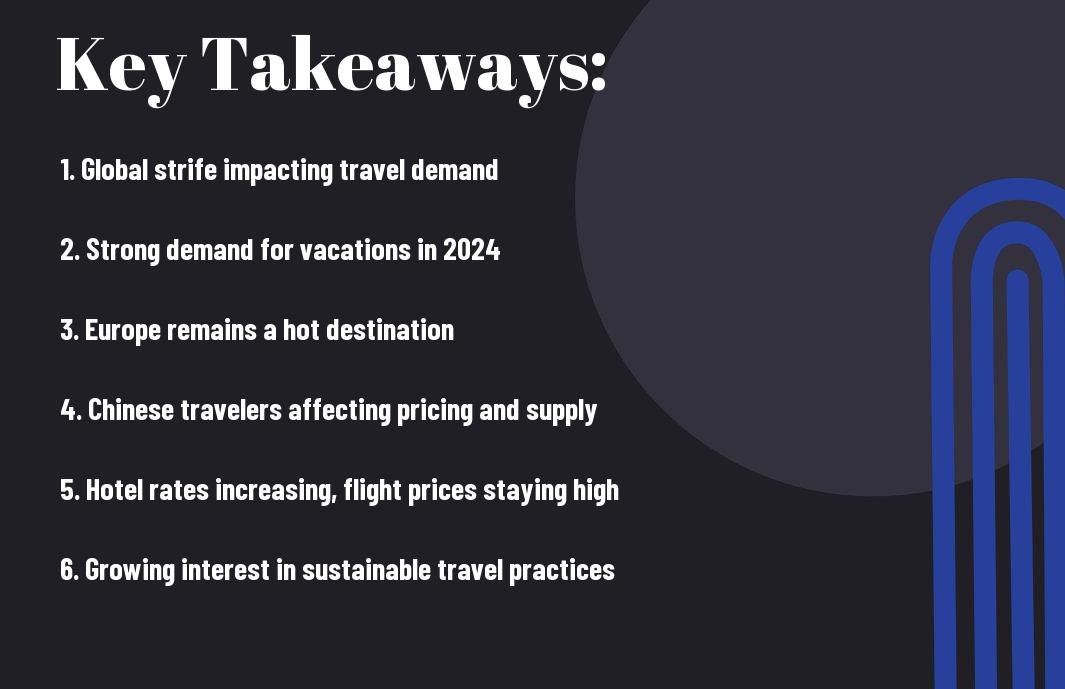
Over the past year, the travel industry has seen significant shifts and changes due to global strife, political events, and evolving traveler demands. As we look towards the future, understanding and mastering upcoming travel trends is imperative for travel advisors and industry professionals. In this blog post, we will explore into the top travel trends expected to shape the industry in the coming year, providing insights and strategies to navigate these changes effectively. From sustainability conversations to increasing demand for unique travel experiences, staying ahead of the curve is key to success in the ever-evolving world of travel.

Global Dynamics Affecting Travel Patterns
Political Shifts and Their Effects on Tourism
Even amid optimism in the travel industry for 2024, political shifts and global strife loom large as influencers of travel patterns. An election year, such as 2024, historically sees a decrease in travel spending as travelers become more moderate in their expenditures. Additionally, worldwide cautions and ongoing conflicts like the situation in Israel and the war in Ukraine impact travelers’ decisions and advisors’ roles in managing anxieties and expectations.
Economic Fluctuations and Travel Industry Resilience
Tourism is a resilient industry, but economic fluctuations can significantly impact travel patterns. With hotel rates increasing globally, travelers may face higher accommodation expenses in popular destinations like Paris, Chicago, London, Singapore, and Sydney. While some price relief may be seen in hotel rates, airfare costs are expected to continue rising. Despite these challenges, the industry remains strong, with future sales showing positive growth compared to previous years.
Even as economic fluctuations present challenges, the travel industry continues to demonstrate resilience and growth. According to a report by American Express Global Business Travel, hotel rates are predicted to increase in major cities worldwide in 2024, indicating continued demand for travel. However, travelers may experience some relief in hotel price surges, with modest increases forecasted. As the industry adapts to economic shifts, it remains vital for advisors to stay informed of pricing trends to best serve their clients.
Environmental Concerns Shaping Travel Destinations
Shifts in environmental awareness are increasingly influencing travelers’ decisions, with a growing focus on sustainability and eco-friendly travel practices. The Booking.com survey revealed that 76% of travelers aim to travel more sustainably in the upcoming year. This shift is evident in conversations within the industry, where sustainability discussions have evolved beyond basic practices like recycling to encompass broader considerations such as food waste reduction and cultural preservation.
Shaping the future of travel destinations, environmental concerns play a crucial role in travelers’ decision-making processes. As sustainability becomes a more significant factor in travel choices, hotels, tour operators, and cruise companies are adapting to meet these evolving preferences. Beyond traditional green initiatives, travelers are now seeking experiences that align with their values, driving a shift towards more sustainable and responsible travel options.
Technological Advancements in Travel
The Rise of Contactless Services and Payments
One of the key technological advancements reshaping the travel industry is the widespread adoption of contactless services and payments. According to recent data, the demand for contactless solutions has significantly increased in response to global events. Travelers now prefer minimal physical interaction, leading to the integration of contactless check-ins, keyless entry systems, and contactless payment options in hotels, airports, and other travel establishments.
Virtual Reality Previews and Experiences
Services in the travel sector are witnessing a revolutionary shift towards virtual reality previews and experiences. Travelers are now able to virtually explore destinations, accommodations, and tourist attractions before making their bookings. This immersive technology not only enhances decision-making but also provides a preview of the travel experience, leading to increased customer satisfaction and confidence in their travel choices.
Experiences through virtual reality are becoming more prevalent across the industry, allowing travelers to engage with destinations and activities in unprecedented ways. From virtual tours of hotels and resorts to simulated adventures in natural wonders, virtual reality is redefining the pre-travel experience and setting new standards for customer engagement in the digital age.
Personalization Through Big Data Analytics
An important aspect of modern travel trends is the increasing focus on personalization through big data analytics. By leveraging vast amounts of data, travel businesses can tailor their services to meet individual preferences and needs. Through sophisticated algorithms and analytics, companies can offer personalized recommendations, customized travel itineraries, and targeted marketing campaigns, enhancing the overall travel experience for customers.
Through data analytics, travel businesses can gain valuable insights into consumer behavior, preferences, and trends, allowing them to anticipate customer needs and deliver highly personalized services. This data-driven approach not only improves customer satisfaction but also fosters long-term customer loyalty and engagement in the competitive travel industry.
Shifts in Traveler Behavior and Preferences
Solo and Wellness Travel Movements
With a significant increase in solo and wellness travel movements, travelers are seeking personalized experiences that cater to their individual needs and preferences. According to a Booking.com survey of more than 33,000 travelers, 76% expressed a desire to travel more sustainably in the coming year, showing a growing focus on holistic well-being and environmental consciousness.
The Growing Popularity of Staycations
With the rise of staycations, travelers are opting to explore their own backyard and nearby destinations for a rejuvenating break. Understanding the benefits of staying closer to home, individuals are prioritizing relaxation and leisure without the need for extensive travel. This trend aligns with the shift towards sustainable tourism practices and a desire for more meaningful experiences.
Adventure Tourism and the Quest for Unique Experiences
Experiences in adventure tourism are becoming increasingly popular as travelers seek unique and immersive activities that go beyond traditional sightseeing. Plus, with a focus on sustainable and responsible travel, adventurers are participating in activities that support local communities and protect natural environments.
Intergenerational Travel and Family Dynamics
To cater to the evolving needs of travelers, intergenerational travel is on the rise, showcasing the desire for meaningful connections and shared experiences among family members of different ages and backgrounds. Preferences for multigenerational trips highlight a shift towards creating lasting memories and fostering stronger family bonds through travel.
Transportation Innovations and Evolutions
Electric and Eco-friendly Transportation Options
On the horizon of transportation innovations are electric and eco-friendly options that are revolutionizing the way we travel. With 76% of travelers expressing a desire to travel more sustainably, the demand for electric vehicles, hybrid cars, and other eco-friendly modes of transport is on the rise. From electric scooters to hydrogen-powered buses, the industry is moving towards a greener future.
Developments in Air Travel and Space Tourism
For those looking to reach new heights, developments in air travel and space tourism offer exciting opportunities. With advancements in technology and infrastructure, the possibility of commercial space travel is becoming more of a reality. Companies like SpaceX and Virgin Galactic are leading the way, offering suborbital flights and opening up a whole new realm of possibilities for adventurous travelers.
The Renaissance of Rail Travel
Options for rail travel are experiencing a renaissance, with travelers looking for sustainable and scenic ways to explore the world. High-speed trains, luxury sleeper cars, and scenic routes are gaining popularity, providing a comfortable and eco-friendly alternative to air travel. The resurgence of interest in rail travel showcases a desire for slow, immersive experiences that allow travelers to truly appreciate the journey.
The Role of Accommodations in Travel
Boutique Hotels and Personalized Experiences
Keep up with the evolving travel landscape by embracing boutique hotels that offer personalized experiences tailored to individual preferences. With 76% of travelers expressing a desire to travel more sustainably, choosing accommodations that prioritize unique, eco-conscious offerings can set your travel experiences apart.
The Transformation and Future of Short-Term Rentals
Any successful travel strategy should consider the transformation and future trends of short-term rentals. With hotel rates forecasted to increase globally in 2024, the popularity of short-term rentals is expected to rise as a cost-effective alternative for travelers. Embrace the convenience and flexibility of these accommodations to meet evolving traveler preferences.
One key aspect to consider in the transformation of short-term rentals is the shift towards sustainable practices. As sustainability becomes an increasingly important factor in travel decision-making, eco-friendly short-term rental options are set to attract a growing number of conscious travelers seeking responsible accommodation choices.
The Allure of Overwater Bungalows and Underwater Hotels
With the demand for unique and luxurious accommodations on the rise, overwater bungalows and underwater hotels present an alluring option for travelers seeking extraordinary experiences. Bungalows set over crystal-clear waters and underwater hotels offer unparalleled views and immersive underwater adventures, catering to travelers looking for exceptional and memorable stays.
ShortTerm A growing trend in the hospitality industry is the popularity of overwater bungalows and underwater hotels, with a substantial increase in bookings expected for 2024. These unique accommodations provide travelers with an exclusive and enchanting experience, blending luxury with nature in breathtaking settings.
Navigating the New Normal in Post-Pandemic Travel
Health and Safety Protocols in a COVID-19 World
To address the challenges posed by the ongoing COVID-19 pandemic, implementing robust health and safety protocols has become paramount in the travel industry. From enhanced sanitation measures to social distancing requirements, travelers are seeking reassurance that their well-being is a top priority when planning their trips.
Travel Insurance and Flexible Booking Policies
For travelers navigating the uncertainties of post-pandemic travel, having adequate travel insurance and flexible booking policies is crucial. These options provide a safety net in case of unforeseen circumstances, offering peace of mind and greater flexibility when making travel arrangements.
World
As the world gradually reopens to travelers, destinations are focusing on recovery efforts and implementing strategic marketing strategies to attract visitors. Collaborative initiatives between tourism boards, businesses, and local communities aim to revitalize tourism sectors and create sustainable growth in a post-pandemic landscape.
Destination Recovery Efforts and Marketing Strategies
Recovery
The travel industry must adapt to the evolving needs and expectations of travelers post-pandemic. By harnessing data insights and consumer trends, destinations can tailor their recovery efforts and marketing strategies to effectively engage with audiences and position themselves as safe and desirable places to visit.
Cultural and Experiential Travel
The Significance of Cultural Heritage Tourism
On the travel landscape, cultural heritage tourism plays a vital role in preserving and celebrating the rich history and traditions of destinations. According to a recent Booking.com survey, 76% of travelers are seeking more sustainable travel options, with a growing interest in experiences that focus on cultural authenticity and heritage preservation.
Culinary Tourism: A Taste of Local Flavors
Taste the local flavors through culinary tourism, an immersive journey into a destination’s gastronomic delights. With the rise in demand for sustainable and experiential travel experiences, travelers are increasingly drawn to culinary adventures that offer a taste of authentic local cuisines, providing a deeper connection to the destination.
With the culinary tourism trend gaining momentum, food and beverage experiences have become a significant driver of tourism growth. Travelers are eager to explore local markets, participate in cooking classes, and savor regional specialties, enhancing their overall travel experience.
Community-Based Tourism and Ethical Considerations
Heritage conservation and community-based tourism practices are at the forefront of ethical considerations in the travel industry. As travelers seek more meaningful interactions and authentic experiences, there is a growing emphasis on supporting local communities and respecting cultural traditions. According to industry experts, sustainable and responsible tourism practices are becoming increasingly important to travelers, shaping their travel decisions.
Changing Landscapes of Business and Corporate Travel
The Rise of Bleisure (Business + Leisure) Travel
With the changing landscapes of business and corporate travel, the rise of bleisure travel is becoming increasingly prominent. According to recent data, more and more business travelers are extending their work trips to include leisure activities. This blending of business and leisure not only enhances employee satisfaction but also brings about new opportunities for exploring destinations in a more holistic manner.
Virtual Meetings Versus In-person Events
In-person events have long been a cornerstone of business travel, fostering networking and collaboration opportunities. Versus virtual meetings have gained traction in recent times, offering a cost-effective and convenient alternative. However, the effectiveness of virtual interactions compared to face-to-face engagements is still a topic of debate. While virtual meetings provide flexibility, in-person events often lead to deeper connections and more impactful outcomes.
With the rapid advancements in technology, virtual meetings have become a norm in the business world. However, the personal touch and immersive experiences offered by in-person events continue to hold significant value in the realms of business and corporate travel.
Corporate Social Responsibility and Business Travel
Any discussion on the changing landscapes of business and corporate travel would be incomplete without addressing the importance of corporate social responsibility (CSR). As travelers become increasingly conscious of their environmental and social impact, integrating CSR initiatives into business travel practices is crucial. From reducing carbon footprints to supporting local communities, incorporating sustainability into business travel not only aligns with ethical standards but also enhances brand reputation and employee engagement.
Business and corporate travel are evolving to not only meet the demands of a dynamic global landscape but also to align with ethical considerations and sustainability goals, driving positive change in the industry.
Sustainability and Ecotourism
Conservation Efforts in Tourism Hotspots
The global tourism industry has a significant impact on popular destinations, with increased visitation leading to environmental strain. As we look towards the future of travel, it is vital for stakeholders to prioritize conservation efforts in these tourism hotspots. With 76% of travelers expressing a desire to travel more sustainably, the call for responsible tourism practices is louder than ever. Sustainable initiatives, such as waste management programs and habitat preservation projects, can play a crucial role in protecting the natural beauty of these areas.
Sustainable Practices in Hospitality and Transport
To foster a more sustainable travel industry, it is imperative for hospitality providers and transportation services to adopt environmentally friendly practices. For instance, hotels and airlines can reduce their carbon footprint by implementing energy-efficient measures, waste reduction strategies, and supporting local community initiatives. By embracing sustainable practices in their operations, these businesses can contribute to the preservation of the ecosystem while meeting the growing demand for eco-conscious travel options.
The Role of Travelers in Environmental Stewardship
To truly make a difference in environmental conservation, travelers play a pivotal role in supporting sustainable tourism practices. By choosing eco-friendly accommodations, participating in responsible excursions, and respecting local wildlife and cultures, travelers can actively contribute to the protection of our planet. With the shift towards more conscious travel choices, individuals have the power to drive positive change and create a more sustainable future for the travel industry.
Ecotourism involves responsible travel to natural areas that conserves the environment and improves the well-being of local people. It encompasses activities that minimize the negative impact on ecosystems, promote conservation efforts, and provide benefits to local communities. With the rise of ecotourism, travelers can engage in meaningful experiences that not only enhance their journeys but also contribute to the preservation of our planet’s biodiversity and cultural heritage.
Destination Spotlight: Emerging and Declining Hotspots
Countries Ready for a Tourism Comeback
Now, let’s take a look at countries poised for a tourism rebound in 2024. With an increase in global travel demand, European destinations such as Greece, France, and Spain remain popular choices. Countries like Japan and Asia are also seeing a significant surge in bookings compared to the previous year. Travel consultants are noting a resurgence in interest, indicating strong potential for these destinations to make a comeback.
Off-the-Beaten-Path Destinations Gaining Attention
Any travel enthusiast looking for unique experiences should keep an eye on off-the-beaten-path destinations gaining traction. Travel advisors are seeing a growing interest in lesser-known gems like Slovenia, offering a more secluded and authentic European vacation experience. As travelers seek new adventures and cultural discoveries, these destinations are becoming the go-to choices for those looking beyond the usual tourist hotspots.
Once-Popular Locales Facing Tourism Fatigue
OfftheBeatenPath, some once-popular tourist destinations are experiencing a decline in interest due to visitor saturation. Countries like Italy, known for overtourism, are prompting travel advisors to explore alternative or lesser-visited areas within these regions. As travelers seek more exclusive and less crowded experiences, these destinations are facing the challenge of balancing sustainability with maintaining their appeal as tourist attractions.
In the evolving landscape of travel trends, it’s imperative for travelers to be aware of both emerging hotspots and destinations facing tourism fatigue. By exploring lesser-known destinations and supporting sustainable travel practices, travelers can contribute to the preservation of unique cultural and natural heritage while enjoying enriching travel experiences.
The Future of Travel Agencies and Advisors
Adaptation to Online Platforms and Services
Travel agencies and advisors are constantly evolving to meet the changing demands of the industry. With the rise of online platforms and services, adapting to digital landscapes has become crucial. In 2024, the travel industry experienced a significant shift towards online bookings and virtual consultations, highlighting the importance of embracing technology to stay relevant and competitive in the market.
The Value of Personalized Itineraries and Expertise
Future travel agencies and advisors will continue to provide exceptional value through personalized itineraries and expert knowledge. In a survey conducted in February 2024, 76% of travelers expressed a desire for more sustainable travel options, signaling a growing need for tailored experiences that cater to individual preferences and sustainability goals.
The Expanding Role of Travel Advisors in Custom Experiences
Value-driven travel advisors are increasingly expanding their roles to offer custom experiences that go beyond traditional tour packages. For instance, in 2024, European destinations like Greece, France, and Spain saw a surge in demand, showcasing the opportunity for travel advisors to curate unique itineraries that cater to specific interests and preferences, enhancing the overall travel experience.
The Influence of Social Media on Travel
Instagrammable Destinations and Social Influence
One of the significant impacts of social media on travel is the rise of Instagrammable destinations. With 76% of travelers expressing a desire to travel more sustainably, the influence of social media platforms like Instagram cannot be overlooked. Travelers are increasingly seeking out destinations that are aesthetically pleasing and shareable on social media, driving tourism to specific locations based on their visual appeal and social influence.
The Phenomenon of Travel Blogging and Vlogging
Influence plays a crucial role in the phenomenon of travel blogging and vlogging. As the demand for travel remains robust, travel advisors are seeing a shift in the decision-making process, where sustainability is starting to affect choices more than ever. Clients are valuing experiences shared by influencers and content creators, seeking authenticity and unique perspectives when planning their travels.
Instagrammable destinations are not only impacting travelers’ choices but also influencing the sustainability and conservation efforts of these locations. As the tourism industry grapples with the challenges of over-tourism fueled by social media, destinations are implementing new strategies to preserve their natural and cultural heritage while still catering to the desires of modern travelers.
The Evolving World of Cruise Travel
Innovations in Cruise Ships and Itineraries
Evolving constantly to meet the changing demands of travelers, cruise ships and itineraries are at the forefront of innovation in the travel industry. With a 98% increase in future sales compared to 2019, the demand for unique and exciting cruise experiences remains high. Travelers are seeking alternative destinations and lesser-known gems, leading to a surge in cruise itineraries exploring off-the-beaten-path locales.
The Surge in Expedition and Adventure Cruising
Travelers are increasingly opting for expedition and adventure cruises that offer a deeper, more immersive travel experience. The demand for smaller, more specialized cruise products continues to grow, with a focus on unique experiences and meaningful interactions. Companies like Hurtigruten are setting the stage for this surge, offering opportunities for travelers to engage in research activities and explore destinations in a whole new way.
The Integration of On-board Technology and Entertainment
Surge in technological advancements has revolutionized the onboard experience for cruise passengers. From state-of-the-art entertainment systems to interactive experiences, cruise ships are leveraging technology to enhance guest satisfaction. With a focus on sustainability and eco-friendly practices, cruise lines are also incorporating green initiatives into their onboard operations, catering to the growing trend of sustainable travel.
Conclusion
Taking this into account, it is evident that mastering the latest travel trends is vital for travel advisors and businesses to thrive in the ever-evolving tourism industry of 2024. Understanding the impact of global strife, the robust demand for vacations, the continued popularity of European destinations, the influence of Chinese travelers, the pricing dynamics for hotels and airfare, the rise of hotelier and expedition cruises, and the increasing importance of sustainability conversations are key factors for success. By staying informed and adapting strategies to align with these trends, travel professionals can navigate challenges, capitalize on opportunities, and provide exceptional service to clients in the coming year.